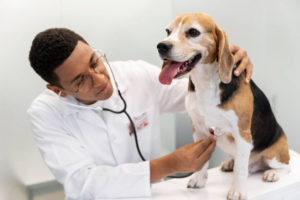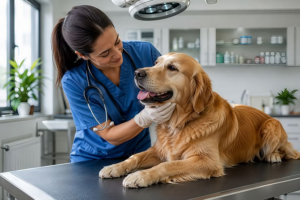

The companion animal industry in Malaysia is evolving.
Pet owners today are increasingly looking beyond simply treating their pets when they become sick. They are becoming more aware of prevention, long-term wellness and the importance of working closely with veterinary professionals.
This changing mindset was reflected in the theme of the MSAVA National Scientific Conference 2026: “Future of Companion Animal Practice – Teamwork, Communication and Inclusivity.” Held at Kuala Lumpur Convention Centre on 8–9 August 2026, the conference brought together veterinary professionals and industry partners around the future of companion animal practice.
For us at FISTERRA, there are several interesting takeaways from this direction.
1. Veterinary care is becoming more than treatment
The role of the veterinary clinic is expanding.
Vaccination, parasite prevention and treatment remain fundamental, but today’s companion animal healthcare environment also includes nutrition, hygiene, behavioural support, diagnostics, chronic disease management and overall wellness.
This creates opportunities for veterinary businesses to support pet owners throughout the entire life of their animals — not only when something goes wrong.
2. Communication is becoming part of good veterinary care
A technically excellent product is only useful if its benefits can be clearly communicated.
Veterinarians need to explain treatment options to pet owners. Pet owners need to understand why preventive care matters. Product companies need to provide reliable technical information that supports those conversations.
In other words, successful animal healthcare depends on more than having a good product.
It depends on people understanding how and when to use it.
3. Prevention creates a longer-term relationship
Preventive healthcare changes the relationship between pets, owners and veterinary clinics.
Instead of waiting for a problem to appear, regular healthcare can become part of a pet’s normal routine.
This includes areas such as parasite control, vaccination, hygiene, nutrition and early health monitoring.
For veterinary businesses, this also creates opportunities to build stronger long-term relationships with clients.
4. The industry needs stronger collaboration
The future of companion animal healthcare will not be driven by one group alone.
Veterinarians, veterinary nurses, product manufacturers, distributors, researchers and pet owners all play different roles.
For companies like FISTERRA, this means listening closely to veterinary professionals and understanding the practical challenges they face in Malaysian clinics.
It also means connecting international innovations with local needs.
Looking ahead
Malaysia’s animal-health market continues to develop alongside changing pet ownership patterns and increasing attention to veterinary care. Industry forecasts also point to continued growth in Malaysia’s animal-health and pet-care sectors.
The opportunity is not simply about selling more products.
It is about helping veterinary professionals access better solutions, helping pet owners make better healthcare decisions, and ultimately improving the standard of care available to companion animals.
At FISTERRA, this is the direction we want to be part of.
Better products. Better knowledge. Better connections between global innovation and local veterinary care.